How to Know If a Coupon Is Legit
The fastest way to evaluate a coupon is to start with the source. A code that comes directly from the retailer, from the retailer's email program, app, or verified social account is usually the safest place to begin. Trusted coupon platforms also matter because they explain the rules of the offer instead of just throwing a code at you.
The next thing to review is the link itself. If a coupon sends you to a page that feels unrelated to the retailer, has obvious misspellings, or looks built to collect clicks more than explain the promotion, slow down. A strange link does not automatically prove fraud, but it is one of the clearest warning signs.
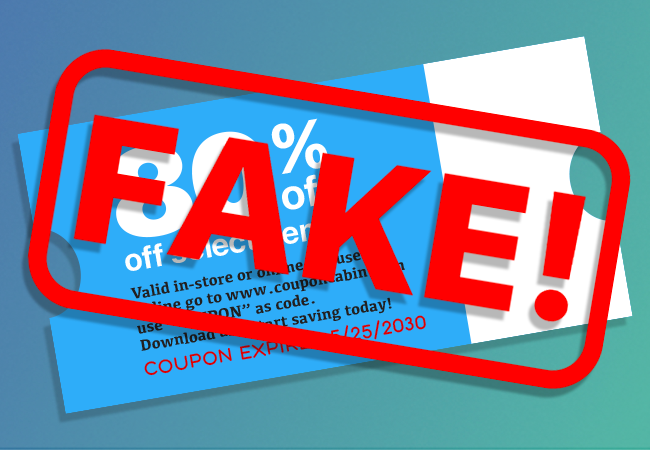
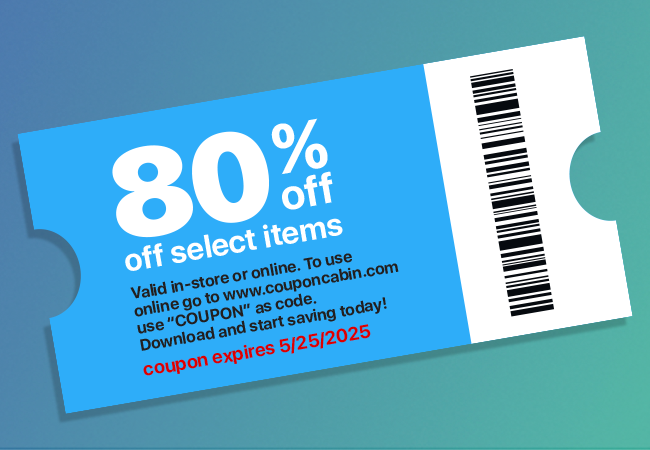
Formatting can also help. Bad spacing, mismatched fonts, awkward branding, or text that looks pasted in after the fact can all suggest that the coupon image or offer page has been altered. That matters most with printable or image-based coupons, where a fake visual can spread quickly.
Expiration dates and terms are another major filter. Real promotions usually explain when the offer ends, what it applies to, and what it excludes. If a coupon has no expiration date, no real terms, or conditions that do not make sense, it is not a strong trust signal.
One of the most important rules is never paying for the coupon itself. If someone wants money to unlock a discount, that should set off alarms immediately. Real promotions reduce the total. They do not create a fee before checkout.
The same caution applies to personal information. If the coupon source asks for bank details, Social Security information, or other sensitive personal data just to claim an offer, treat that as a scam signal.


 previous