Why Store Policy Matters More Than Couponing Advice
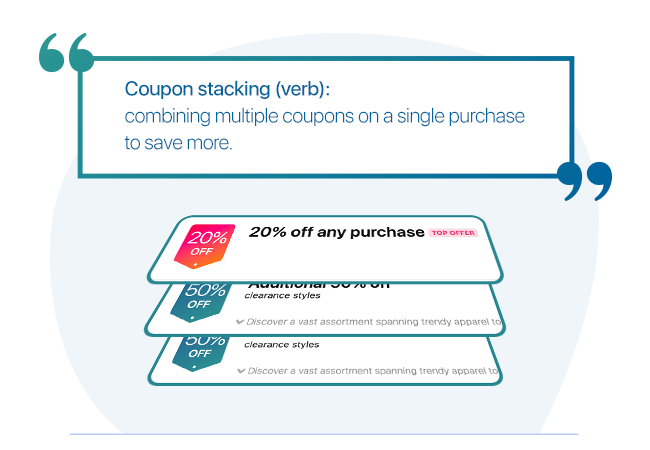
Retailers do not all define stacking the same way.
Target is one of the clearer examples. Its coupon policy allows one manufacturer coupon, one Target coupon, and one Target item-level offer per item. That is real stacking, but it is tightly structured and still comes with exclusions and offer limits.
Kohl's follows a different model. It allows one sitewide percent-off coupon, multiple department-specific coupons, up to six dollar-off coupons like Kohl's Cash, and a free shipping coupon in the same order. That makes Kohl's coupons some of the more flexible online stacking offers, but the store still works within a very specific coupon hierarchy.
Walgreens has its own version. It can accept one manufacturer coupon plus applicable Walgreens coupons on a single item, but manufacturer digital coupons cannot be stacked with manufacturer paper coupons. That means stacking is possible there too, but only inside very specific rules.
What Types of Savings Can Sometimes Be Stacked?
The answer depends on the retailer, but these are the savings layers most often involved when stacking is allowed.
Store offers
These are retailer-issued discounts, often tied to an app, weekly ad, or loyalty account.
Manufacturer coupons
These come from the product brand, not the store. They are most common in grocery, drugstore, and mass-retail shopping.
Promo codes
Online promo codes can matter, but many retailers limit checkout to one code. That is why promo-code stacking is less common than shoppers think.
Rewards and loyalty perks
Points, store credits, and earned discounts often work as part of a broader stack.
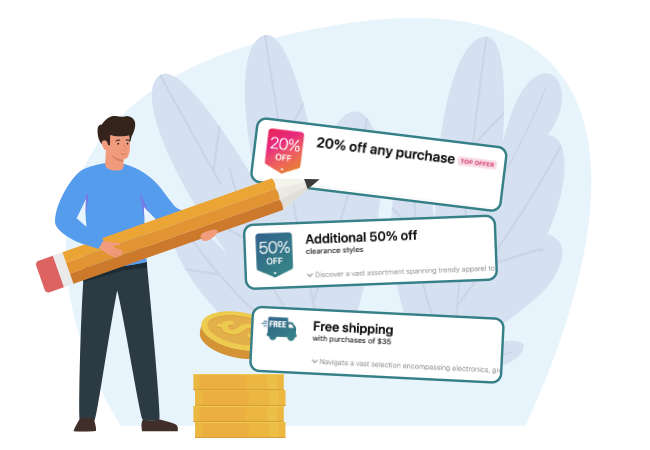
Free shipping offers
Shipping perks can sometimes sit alongside an item discount, which is one of the easiest ways to improve the final total without changing the basket.
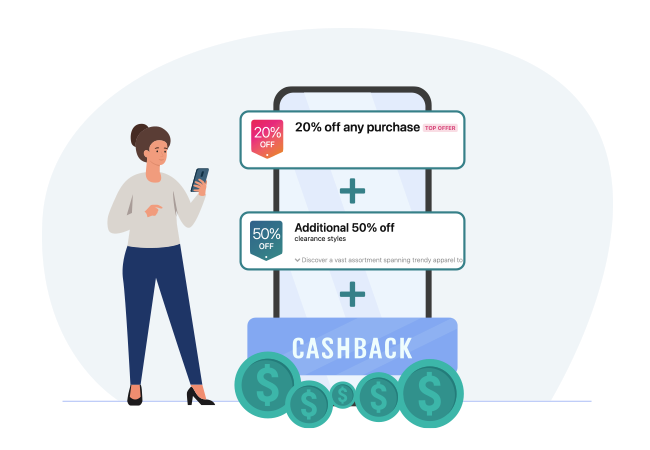
Cash back
Cash back is often the cleanest extra layer because it typically tracks outside the retailer's cart instead of competing with the code field.




 previous
